

 In the news
Watch on YouTube · 4 min
Video·24 September 2025
New to this?
Start with the question you came with.
Every topic gathers its plain-language guide, handouts, videos, papers and courses in one place.
Laboratory and clinical research into folate, mitochondria and the immune system. Tested in blinded trials. Explained in plain language for families.
134 papers since 2006. One mark is one paper. The ring is the first blinded trial of leucovorin, 2018.
Start where you are
For parents
Guide·For families
The first steps, in plain language
Paper·Plain summary
5 blinded trials, 293 children
Tool·Printable
Pick a topic, print it, bring it
For clinicians
Evidence·Leucovorin
293 children, 4 countries beyond the first
Courses·On demand
9 courses · No CME credit
Library·134 papers
Filter by design, year and topic
For researchers
Library·2006–2026
134 papers with full citations
Topics
From folate to neuroimaging
People
Investigators, funders, clinical partners
For supporters
Give·16 projects
Each has a stated goal
Give·Research fund
Goes where it is needed most
Trust·501(c)(3)
How the foundation uses a gift
Dr. Frye ran the first, in 2018. Independent groups in 4 countries have since largely repeated the result.
Not an “autism pill”
Leucovorin needs the right patient, the right dose and the right formulation. It is a prescription medicine: the decision belongs with your child’s doctor.
2018
12 weeks
The first · Dr. FryeFrye et al. Molecular Psychiatry
2020
12 weeks
Renard et al. Biochimie
2021
10 weeks
Batebi et al. Child Psychiatry & Human Development
2024
24 weeks
Panda et al. European Journal of Pediatrics
2025
12 weeks
Zhang et al. Nutrients
Assigned leucovorin, 155Assigned placebo, 138
is a prescription form of folate that doctors have used for more than 80 years. In the first trial, children took leucovorin or a placebo for 12 weeks. The trial was : neither families nor doctors knew who was taking which.
Spoken language improved in the children on leucovorin compared with those on placebo. Later trials, each run by a different research group, largely point the same way.
The 2018 trial was randomized, double-blind and placebo-controlled: 23 children were assigned leucovorin and 25 placebo for 12 weeks, with verbal communication as the outcome (Frye et al., Molecular Psychiatry).
Among children positive for folate receptor autoantibodies, the number needed to treat was 1.8. Randomized, blinded, placebo-controlled trials in 4 other countries have since largely replicated the result: 293 children across the 5 trials.
The next step needs funding: project 2B, a new folate compound.
Help fund project 2BEvery topic gathers its plain-language guide, papers, videos and courses in one place. The line under each shows its share of the 134 papers.
Cerebral folate deficiency · When folate cannot reach the brain, and the treatment that gets it there.
11papers
Mitochondrial dysfunction · How cells make energy, and what happens when they cannot keep up.
48papers
Treatments · Trials and studies of specific treatments, and how strong the evidence is.
46papers
Biomarkers · Blood and cell tests that show which children have a treatable difference.
37papers
Immune function · Immune differences, inflammation, and treatments directed at the immune system.
16papers
Seizures and EEG · Seizures, unusual EEG findings, and how they are treated in autism.
8papers
Microbiome and gut · The gut microbiome, stomach and bowel symptoms, and their link to the brain.
8papers
Environmental factors · Exposures before and after birth, and how they interact with metabolism.
13papers
Epigenetics and genetics · How genes are switched on and off, and the DNA differences underneath.
14papers
Neuroimaging · What brain imaging shows about structure, connections and metabolism.
30papers
A paper can sit under more than one topic.
Search all 134 papers
In the news
Watch on YouTube · 4 minVideo·24 September 2025
Statement·1 October 2025
In September 2025 the FDA approved a label change for leucovorin for cerebral folate deficiency. Our response sets out the evidence, trial by trial.
Read the statementNew in the library
Paper·2026·Systematic review
Paper·2026·Commentary
Paper·2025·Research article
Paper·2025·Research article
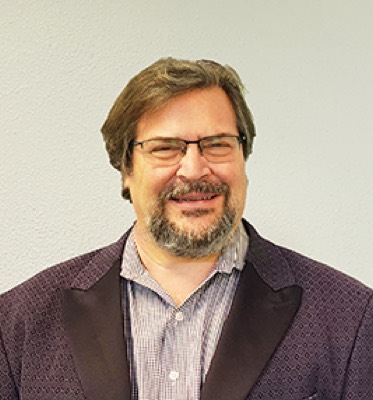
Chief Scientific Officer·Cofounder
A pediatric neurologist, Dr. Frye has studied folate, mitochondria and metabolism in autism for two decades. He led the first double-blind, placebo-controlled trial of leucovorin, which Autism Speaks rated the second most important autism research finding of 2018.
Selected work
Paper·2024·Research article
Paper·2021·Systematic review
Paper·2018·Clinical trial
Richard E. Frye, MD, PhD
Chief Scientific Officer · Cofounder
Daniel A. Rossignol, MD, FAAFP
Cofounder
Adrienne C. Scheck, PhD
Research Scientist
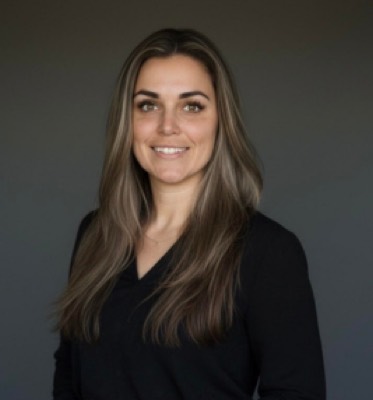
Kelly Sirju
Chief Operating Officer
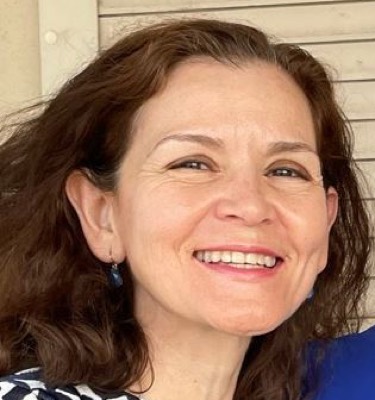
Stella V. Laurella, CPA, MBA
Treasurer
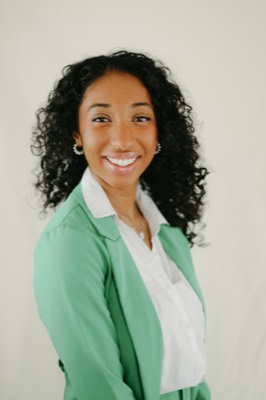
Hamsa Raman, MA, CCC-SLP
Clinical Research Coordinator
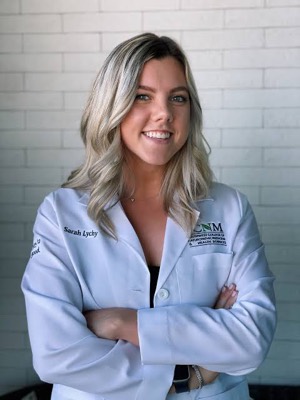
Sarah Lychy, ND
Investigator
Zoë Hill
Genetic Specialist
Jaclyn Bain, ND, FABNP
Investigator
Christy Coleman, RN, BSN
Pediatric Clinical and Research Specialty Nurse
Cara McCormack-Frye, BS
Pediatric Clinical and Research Associate
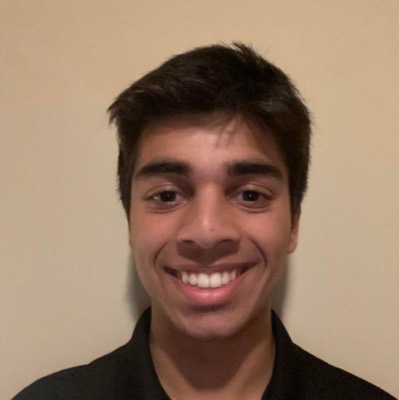
Sumedh Seetharam
Research Assistant

Research supported in the past by the National Institutes of Health, the Department of Defense and Autism Speaks.
Each project has a stated goal. Give where it is needed most, or name the project your gift pays for.
Neurodevelopmental regression$950,000
Novel treatments for autism$3,300,000
Non-genetic transgenerational inheritance$1,400,000
Advanced laboratory equipment$400,000
Choose a project in the form and its block lights up here.
501(c)(3) non-profitWhere your gift goes
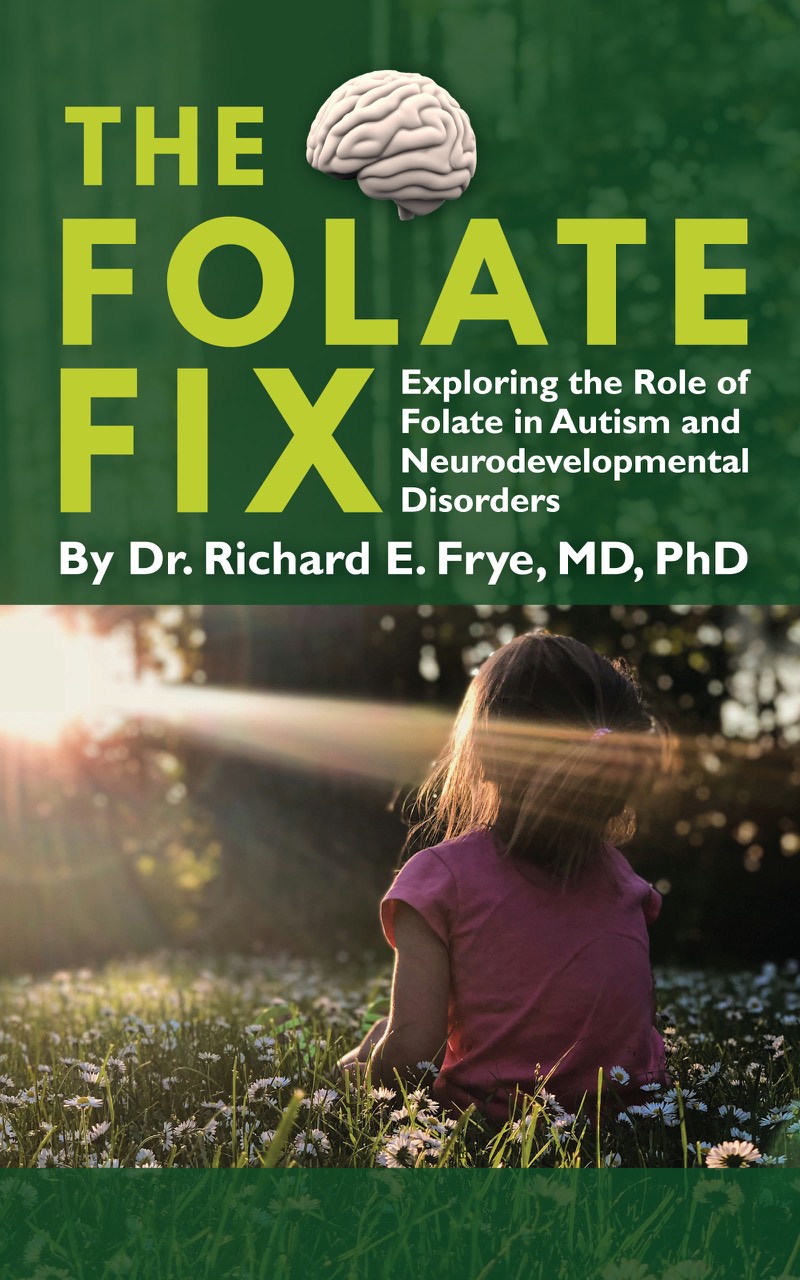
Book·2025·332 pages
Exploring the Role of Folate in Autism and Neurodevelopmental Disorders
The story of folate in autism, told through families’ experiences, with evaluation strategies, treatment practice and answers to the questions clinicians and caregivers ask most.
Books and courses are sold by Metabolic Learning Resource, founded by Dr. Frye, not by the foundation.
Course·45 min·6 chapters
Course·9 chapters
Course·4 chapters
ADTF Weekly
A short video from Dr. Frye on one new paper, what it means for families, and what the foundation is working on. Free, and you can leave at any time.